This morning, after a social media follower mentioned seeing Falkner Square, I set off to explore the Georgian Quarter. Quarters, as a name, sometimes have a confected pretentiousness about them – like appending Village to a place.
Think Collyhurst and Collyhurst Village popping up in north Manchester, along Rochdale Road.
Sometimes though, the noun Quarter feels apt in Manchester’s Northern Quarter and the more impressive Georgian Quarter, Liverpool.
If it had a centre perhaps it’s Falkner Square, but the streets running up to and off it (Huskisson Street, Hope Street, Rodney Street) are as impressive. I ended up walking to the edge of it first, past the University of Liverpool up Myrtle Street before turning right and right again, with the help of Google Maps.
What strikes you first is the size of the Georgian Quarter – this is not St John’s Gardens off Deansgate, it’s like a small town in its own right with imposing townhouses of 3 to 5 stories, many now apartments, and with one thing in common I noticed – hardwood sash windows, as most are Grade 2 listed. Not a sight of u-PVC for a good 30 minutes and, though aesthetically pleasing, I did think of noise and draughts from the luxury of my modern 6th floor rental in the Baltic Triangle.
Another obvious sign of desirability was the absence of For Sale and To Let boards – it’s an expensive part of Liverpool too, and is about 4 times the price of parts of the Wirral (West Kirby, Caldy obviously make the Georgian Quarter look cheap).
When my mate Mark Birds visited from Manchester, we went to Coffi on Pilgrim Street and en route, a native Scouser explained that Liverpool is a trading maritime city, whereas Manchester was a manufacturing powerhouse for cotton and the architecture shows that.
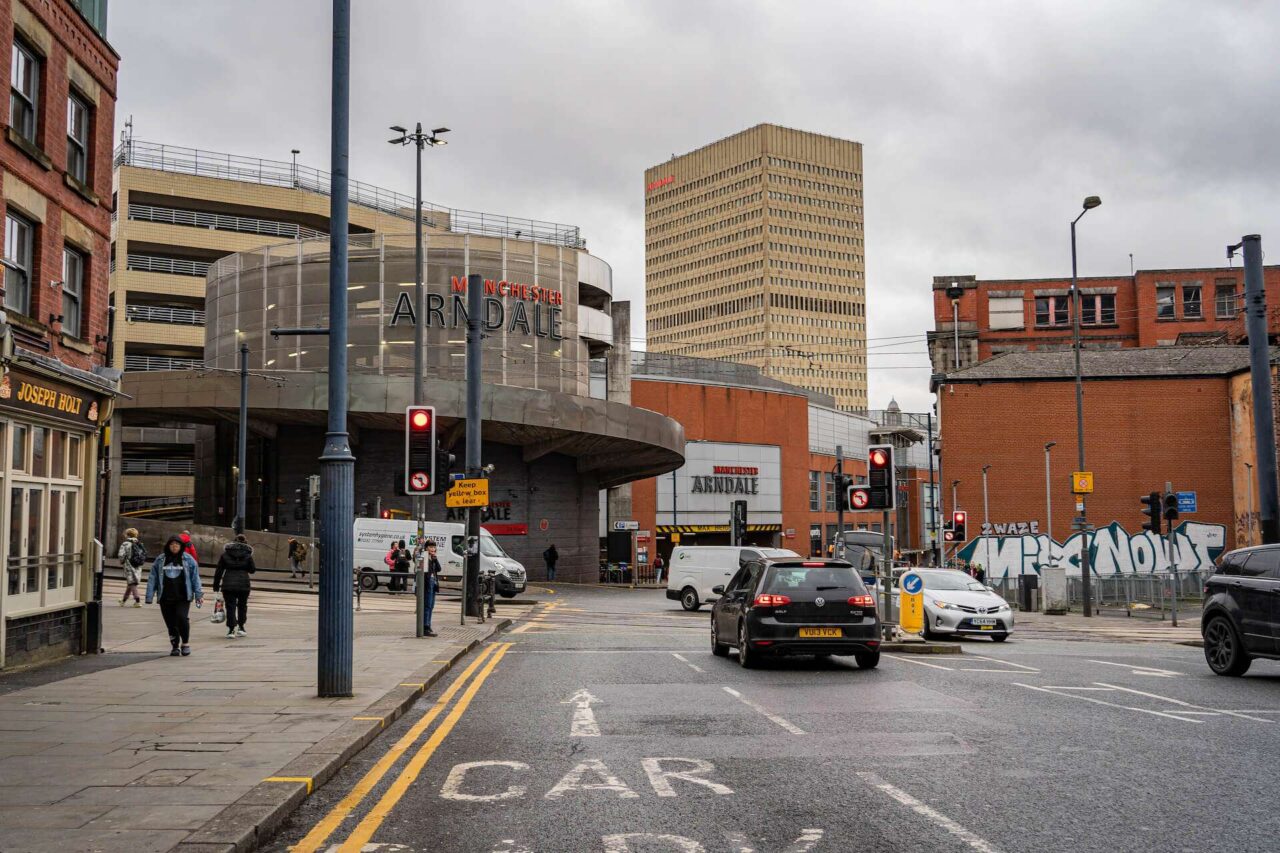
It’s true too – Manchester’s Whitworth Street near the Kimpton has grand Victorian piles that were used to showcase cotton for sale, whilst places like Angel Meadow and Ancoats (Anita Street) were slum worker areas to service the vast mills straddling the Rochdale, Ashton and Bridgewater canals. Liverpool’s biggest brick building is to the north of the city – the wondrous Tobacco Warehouse now bougie apartments.
I digress.
The Georgian Quarter felt like it was designed for the mercantile rich with the slave trade making an appearance in Falkner Square – named after a prominent slave trader.
I do feel a certain amount of cognitive dissonance about this – the fact that Falkner is celebrated on information boards and street names feels jarring in 2026. If Bristol could topple Edward Colson, why is Liverpool marking, to my woke mind at least, a colonial stain on its past?
Jarring historical associations aside, I headed down Huskisson Street (named after a railway pioneer) back to the Baltic, my home since January, with photos, videos and many positive thoughts of the Georgian Quarter – apart from, not to labour it, the visible associations with slavery.